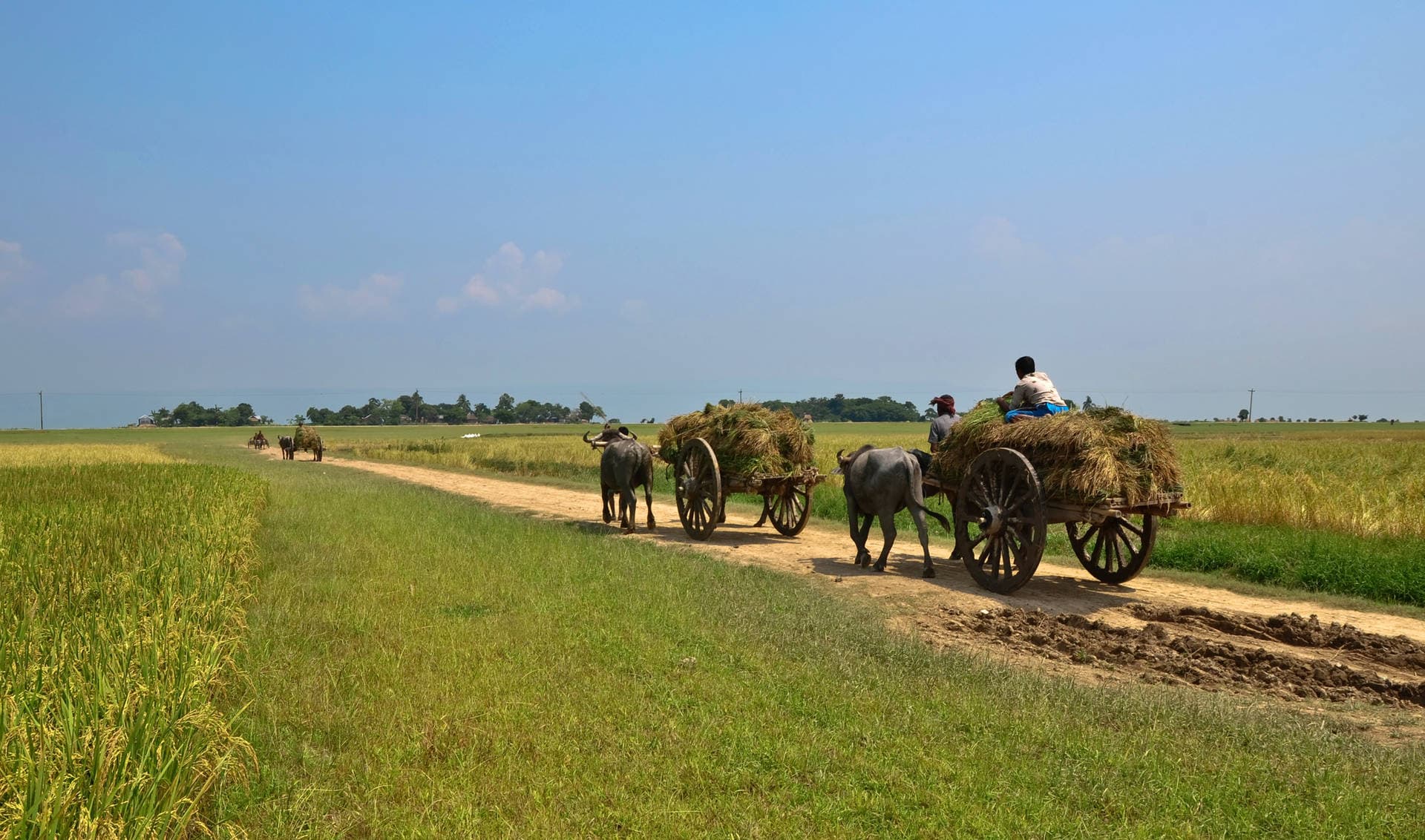
Heavy rain triggers floods and landslides in seven districts of Bangladesh, resulting in at least 44 deaths. The severe weather conditions have caused widespread destruction and displacement. Rescue efforts are underway to assist affected communities.
Introduction to the Crisis
The recent heavy rainfall in Bangladesh has triggered devastating floods and landslides across seven districts, resulting in a significant loss of life and widespread destruction. As the country struggles to cope with the aftermath of this severe weather condition, the economy is also expected to feel the impact. In this article, we will delve into the background of the situation, key details of the disaster, and the potential effects on the Bangladesh business context.
Background of the Situation
Bangladesh is a country prone to natural disasters due to its geographical location. The heavy rainfall, which is a common occurrence during the monsoon season, has caused floods and landslides in several districts. The severity of the situation has been exacerbated by the country's poor infrastructure and inadequate disaster management systems. The government has been working to improve these systems, but the recent disaster has highlighted the need for more effective measures to mitigate the impact of such events.
Key Details of the Disaster
According to reports, at least 44 people have lost their lives in the floods and landslides, with many more injured or displaced. The seven affected districts are experiencing severe food and water shortages, and the communication networks have been disrupted. Rescue efforts are underway, with the government and non-governmental organizations working together to provide assistance to the affected communities. The army has also been deployed to support the relief efforts.
Impact on the Economy
The floods and landslides have caused significant damage to the agricultural sector, which is a major contributor to Bangladesh's economy. The loss of crops and livestock is expected to have a ripple effect on the entire economy, potentially leading to food price inflation and economic instability. The infrastructure damage will also require significant investment to repair, which could put a strain on the government's finances. Furthermore, the disruption to businesses and industries in the affected areas will have a negative impact on the country's economic growth.
Conclusion
In conclusion, the recent floods and landslides in Bangladesh have resulted in a significant loss of life and widespread destruction. The disaster has highlighted the need for more effective disaster management systems and infrastructure development to mitigate the impact of such events. The government and private sector must work together to support the affected communities and rebuild the damaged infrastructure. As the country moves forward, it is essential to prioritize disaster risk reduction and climate change mitigation to minimize the impact of future disasters. The business community must also play a role in supporting the relief efforts and investing in sustainable infrastructure to ensure the long-term economic growth and stability of the country.
Source: Prothom Alo