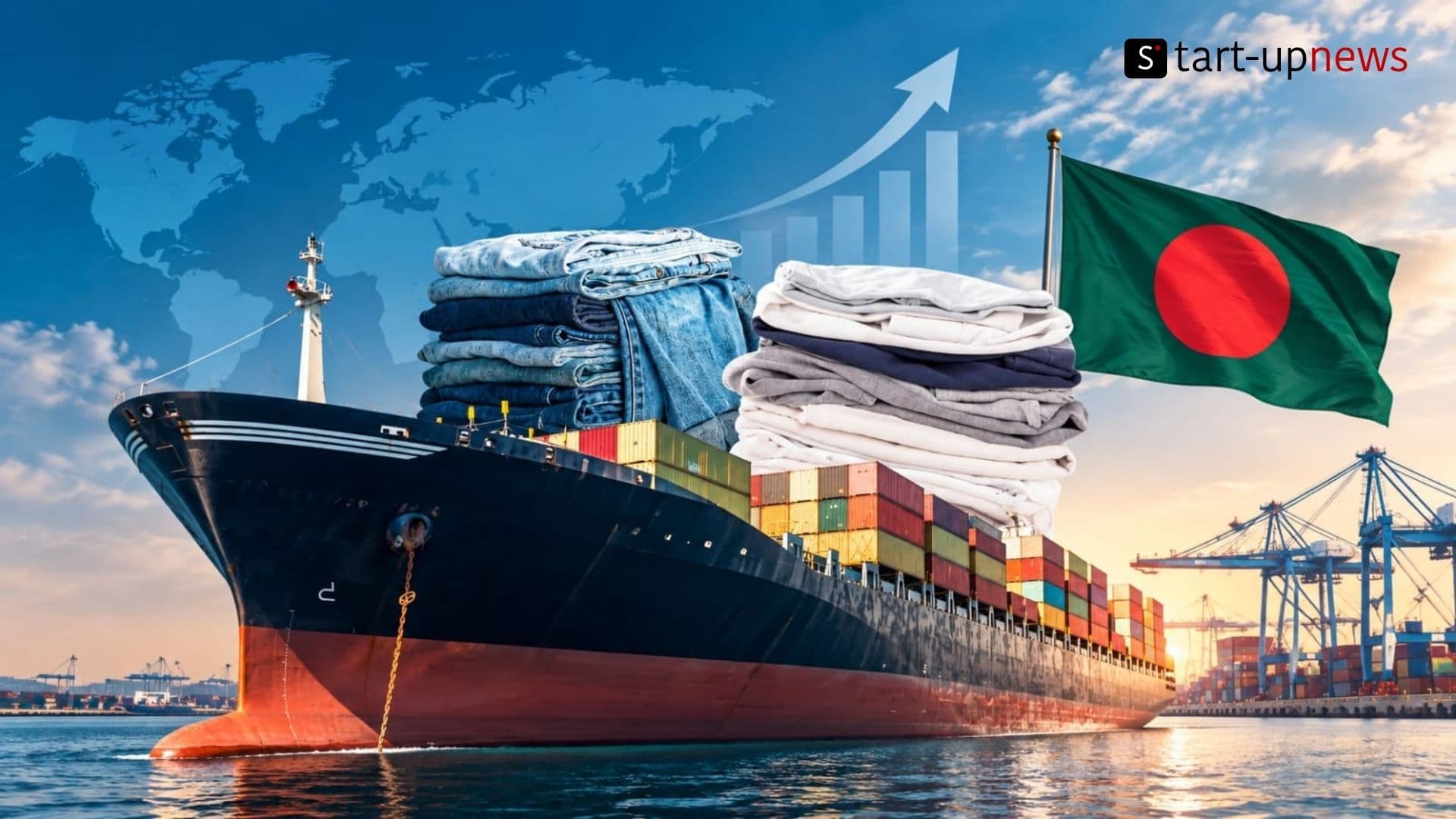
Bangladesh Earns $10.58 Billion From Garment Exports in July–September, Up 6.1% Year-on-Year.
Bangladesh’s ready-made garment exports reached $10.58 billion in July–September 2026, up 6.1% year-on-year, with growth in knitwear, woven garments, the US market and non-traditional destinations.
DHAKA, Bangladesh — Bangladesh earned $10.58 billion from ready-made garment (RMG) exports during July–September 2026, marking a 6.1% increase from approximately $9.97 billion recorded in the same period a year earlier. The figures, reported by The Business Standard citing Export Promotion Bureau (EPB) data, cover the first quarter of the 2026–27 fiscal year and highlight continued growth in the country's apparel export sector.
Knitwear and woven garments both contributed to the increase in export earnings. Knitwear exports rose 6.88% year-on-year to approximately $5.96 billion, while woven garment exports increased 5.11% to around $4.61 billion. The figures indicate that both major product categories maintained positive growth during the quarter, with knitwear recording the faster rate of expansion.
The United States remained Bangladesh's largest individual country market for garment exports, with shipments increasing 10.4% to $2.22 billion. The European Union continued to be the largest destination bloc, accounting for approximately $4.90 billion in exports, up 3.33% from the previous year. Meanwhile, garment exports to the United Kingdom rose 5.94% to $1.29 billion, while shipments to Canada increased 3.85% to $349.65 million.
Non-traditional markets also contributed to the sector's performance. Exports to these destinations grew 9.4% to $1.81 billion, representing 17.13% of Bangladesh's total garment exports during the period. Turkey, Brazil, the United Arab Emirates and Mexico were among the markets recording growth, highlighting the potential for further export-market diversification.
Despite the positive figures, Bangladesh's garment industry continues to face challenges related to rising production costs and energy supply constraints. These pressures can affect factory operations, operating expenses and exporters' competitiveness in international markets. Maintaining growth will require improved operational efficiency, product diversification and greater access to emerging markets.
The latest export figures highlight the continued importance of the ready-made garment industry to Bangladesh's economy. Sustaining this momentum will depend on the industry's ability to manage production challenges, strengthen its position in established markets and expand its presence in new destinations.
Related Stories

JCI Dhaka Founders Wins Most Outstanding Local Organization at JCI ASPAC 2026 — a First for Bangladesh

Red Sparrow Digital Leading the Way in Bangladesh’s Digital Marketing Industry