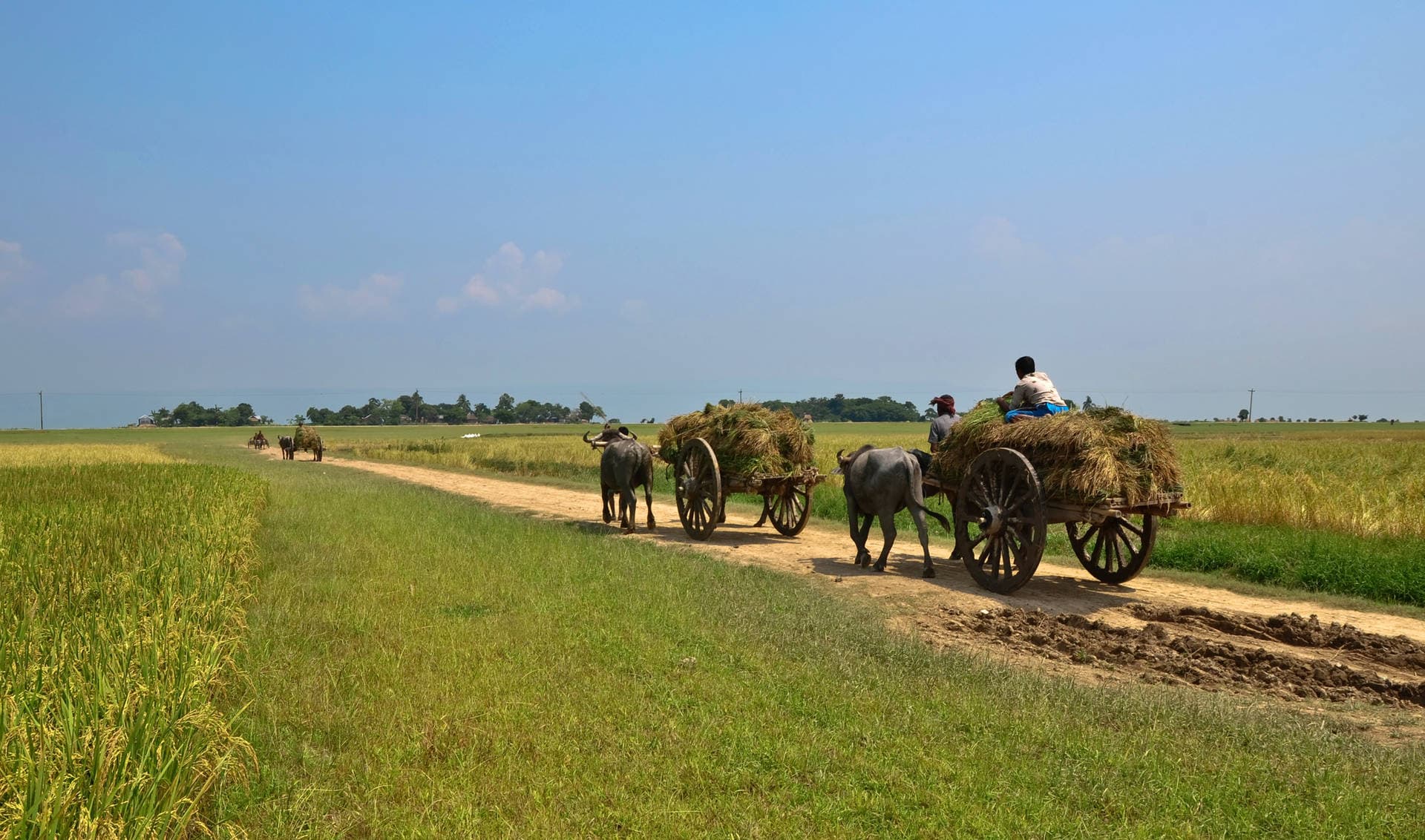
Bangladesh is urged to reduce its reliance on fossil fuels to ensure a sustainable future, with experts highlighting the need for a shift towards renewable energy sources.
Introduction to a Sustainable Future
Bangladesh, one of the fastest-growing economies in South Asia, is facing a critical challenge in its journey towards a sustainable future. The country's heavy reliance on fossil fuels is not only harming the environment but also posing a significant threat to its economic stability. In recent years, experts and policymakers have been urging the government to reduce its dependence on fossil fuels and shift towards renewable energy sources. This transition is crucial for ensuring a sustainable future for the country and its people.
Background and Current Scenario
Bangladesh has experienced rapid economic growth over the past few decades, with its GDP growing at an average rate of 6-7% per annum. However, this growth has been largely driven by the country's industrial sector, which is heavily reliant on coal and natural gas for energy. The country's energy mix is dominated by fossil fuels, with coal and oil accounting for over 70% of its total energy consumption. This has resulted in a significant increase in greenhouse gas emissions, contributing to climate change and air pollution.
Key Details and Expert Opinions
Experts argue that Bangladesh needs to reduce its reliance on fossil fuels and transition towards renewable energy sources such as solar and wind power. The country has set a target of generating 10% of its total energy from renewable sources by 2025. However, achieving this target will require significant investment in renewable energy infrastructure and a supportive policy framework. According to experts, the government needs to provide incentives for private sector investment in renewable energy and implement policies to promote the use of clean energy sources.
Impact on the Economy and Environment
The impact of Bangladesh's reliance on fossil fuels is not only limited to the environment but also has significant economic implications. The country spends a substantial amount of its foreign exchange reserves on importing oil and coal, which puts pressure on its balance of payments. Moreover, the country's industrial sector is heavily reliant on fossil fuels, which makes it vulnerable to price fluctuations in the global energy market. A shift towards renewable energy sources can help reduce the country's dependence on imported fuels, improve its balance of payments, and create new job opportunities in the renewable energy sector.
Conclusion and Future Directions
In conclusion, Bangladesh must reduce its dependence on fossil fuels to ensure a sustainable future. The country needs to transition towards renewable energy sources such as solar and wind power to reduce its greenhouse gas emissions and promote clean energy. The government needs to provide incentives for private sector investment in renewable energy and implement policies to promote the use of clean energy sources. By doing so, Bangladesh can reduce its reliance on fossil fuels, improve its balance of payments, and create new job opportunities in the renewable energy sector. This will not only ensure a sustainable future for the country but also contribute to the global efforts to combat climate change.
Source: Prothom Alo