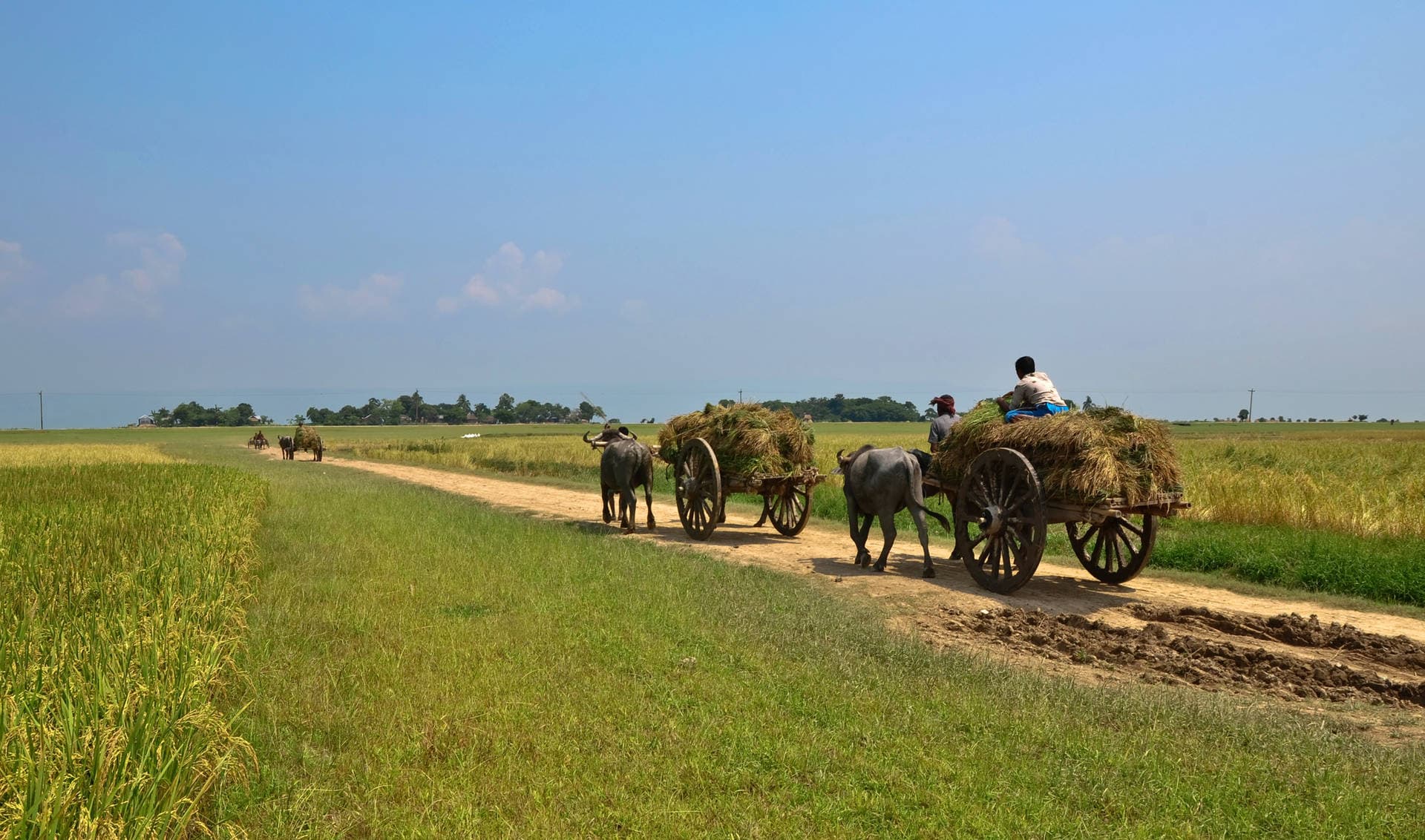
A severe gas crisis in Bangladesh has disrupted cooking, transportation, and industrial activities, affecting daily life and the economy.
Introduction to the Gas Crisis in Bangladesh
The recent gas crisis in Bangladesh has sent shockwaves throughout the country, affecting various aspects of daily life and the economy. The shortage of gas supply has disrupted cooking, transportation, and industrial activities, causing inconvenience to the general public and losses to businesses. As the situation continues to worsen, it is essential to understand the background and key details of the crisis, as well as its impact on the country.
Background of the Gas Crisis
Bangladesh has been facing a gas crisis for several years, with the demand for gas exceeding the supply. The country's gas reserves have been depleting rapidly, and the government has been struggling to meet the increasing demand. The situation has been exacerbated by the lack of investment in the gas sector, inadequate infrastructure, and inefficient distribution systems. As a result, the gas crisis has become a recurring problem, affecting the country's economy and daily life.
Key Details of the Crisis
The current gas crisis in Bangladesh is attributed to the shortage of gas supply from the existing gas fields. The gas fields in the country are producing less gas than expected, leading to a significant shortage. Additionally, the import of liquefied natural gas (LNG) has been delayed, which was expected to supplement the domestic gas supply. The delay in the import of LNG has further worsened the crisis, leading to a severe shortage of gas in the country. The government has been trying to manage the crisis by rationing gas supply to different sectors, including households, industries, and transportation. However, the rationing has not been effective, and the crisis continues to deepen.
Impact of the Gas Crisis
The gas crisis in Bangladesh has had a significant impact on the country's economy and daily life. The shortage of gas supply has disrupted cooking, as many households rely on gas for cooking. The crisis has also affected transportation, as many vehicles, including buses and trucks, run on compressed natural gas (CNG). The shortage of gas has led to long queues at CNG stations, causing inconvenience to commuters. The gas crisis has also affected industrial activities, as many industries, including textiles and pharmaceuticals, rely on gas for production. The shortage of gas has led to a decrease in production, resulting in losses to businesses and affecting the country's economy.
Conclusion
In conclusion, the gas crisis in Bangladesh is a severe problem that requires immediate attention. The crisis has disrupted cooking, transportation, and industrial activities, affecting daily life and the economy. The government needs to take urgent measures to address the crisis, including increasing the gas supply, improving the distribution system, and promoting the use of alternative energy sources. The private sector also needs to play a role in addressing the crisis by investing in the gas sector and promoting the use of renewable energy. Only through a collective effort can the gas crisis in Bangladesh be resolved, and the country can return to normalcy.
Source: Prothom Alo