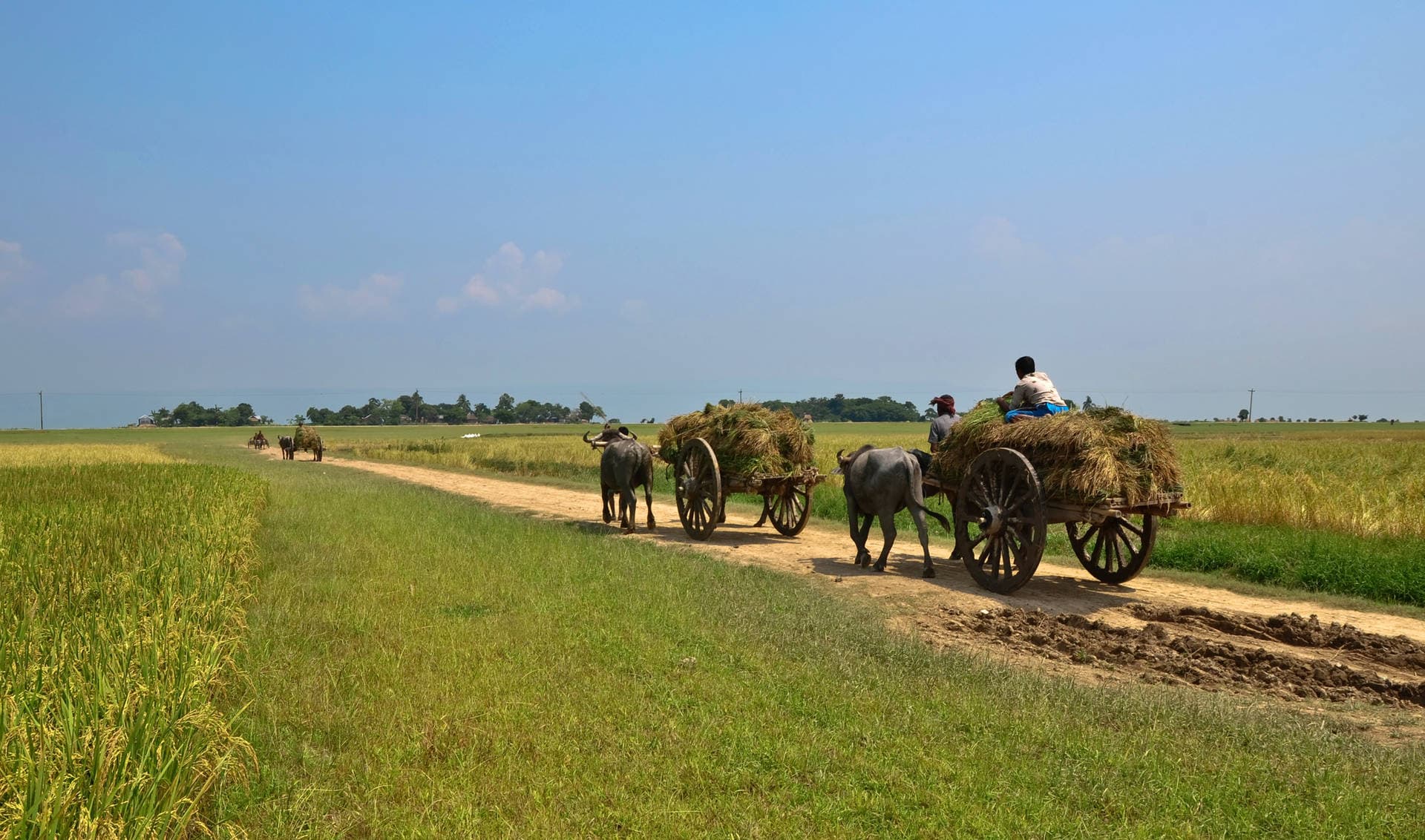
Heatwaves threaten jobs and economic growth in South Asia, according to the World Bank. The region is highly vulnerable to climate change, which can have devastating impacts on local economies. This can lead to a decline in economic growth and job opportunities.
Introduction to the Threat of Heatwaves in South Asia
The World Bank has recently warned that heatwaves pose a significant threat to jobs and economic growth in South Asia. As the region struggles to cope with the challenges of climate change, it is becoming increasingly clear that the impacts of rising temperatures will be felt far beyond the realm of environmental concerns. In fact, the effects of heatwaves on local economies could be devastating, leading to a decline in economic growth and a reduction in job opportunities.
Background: South Asia's Vulnerability to Climate Change
South Asia is one of the most vulnerable regions in the world to climate change. The region's large and densely populated cities, combined with its limited resources and infrastructure, make it particularly susceptible to the impacts of rising temperatures. Furthermore, the region's economies are heavily reliant on agriculture and industry, which are both highly sensitive to changes in temperature and weather patterns. As a result, heatwaves and other extreme weather events have the potential to cause significant disruptions to economic activity in the region.
Key Details: The World Bank's Warning
According to the World Bank, heatwaves are likely to become more frequent and intense in the coming years, posing a major threat to economic growth and job creation in South Asia. The Bank's warning is based on a detailed analysis of the region's climate trends and economic data. The report highlights the need for governments and businesses in the region to take urgent action to mitigate the impacts of climate change and to develop strategies for adapting to the changing climate. This could include investing in climate-resilient infrastructure, implementing heat action plans, and providing support to workers and communities affected by heatwaves.
The Impact of Heatwaves on the Economy
The impacts of heatwaves on the economy are far-reaching and can be devastating. In Bangladesh, for example, heatwaves have been shown to reduce worker productivity and increase absenteeism, resulting in significant losses to businesses and the economy as a whole. Furthermore, heatwaves can also have a major impact on agricultural production, leading to crop failures and reduced yields. This can have a ripple effect throughout the food chain, leading to food shortages and price increases. In addition, heatwaves can also exacerbate poverty and inequality, as the most vulnerable members of society are often the most affected by the impacts of climate change.
Conclusion: The Need for Urgent Action
In conclusion, the World Bank's warning about the threat of heatwaves to jobs and economic growth in South Asia is a timely reminder of the need for urgent action to address the challenges of climate change. Governments and businesses in the region must work together to develop and implement strategies for mitigating the impacts of heatwaves and adapting to the changing climate. This will require significant investments in climate-resilient infrastructure, as well as the development of policies and programs to support workers and communities affected by heatwaves. By taking action now, we can help to reduce the risks associated with climate change and promote sustainable economic growth and development in South Asia.
Source: Prothom Alo