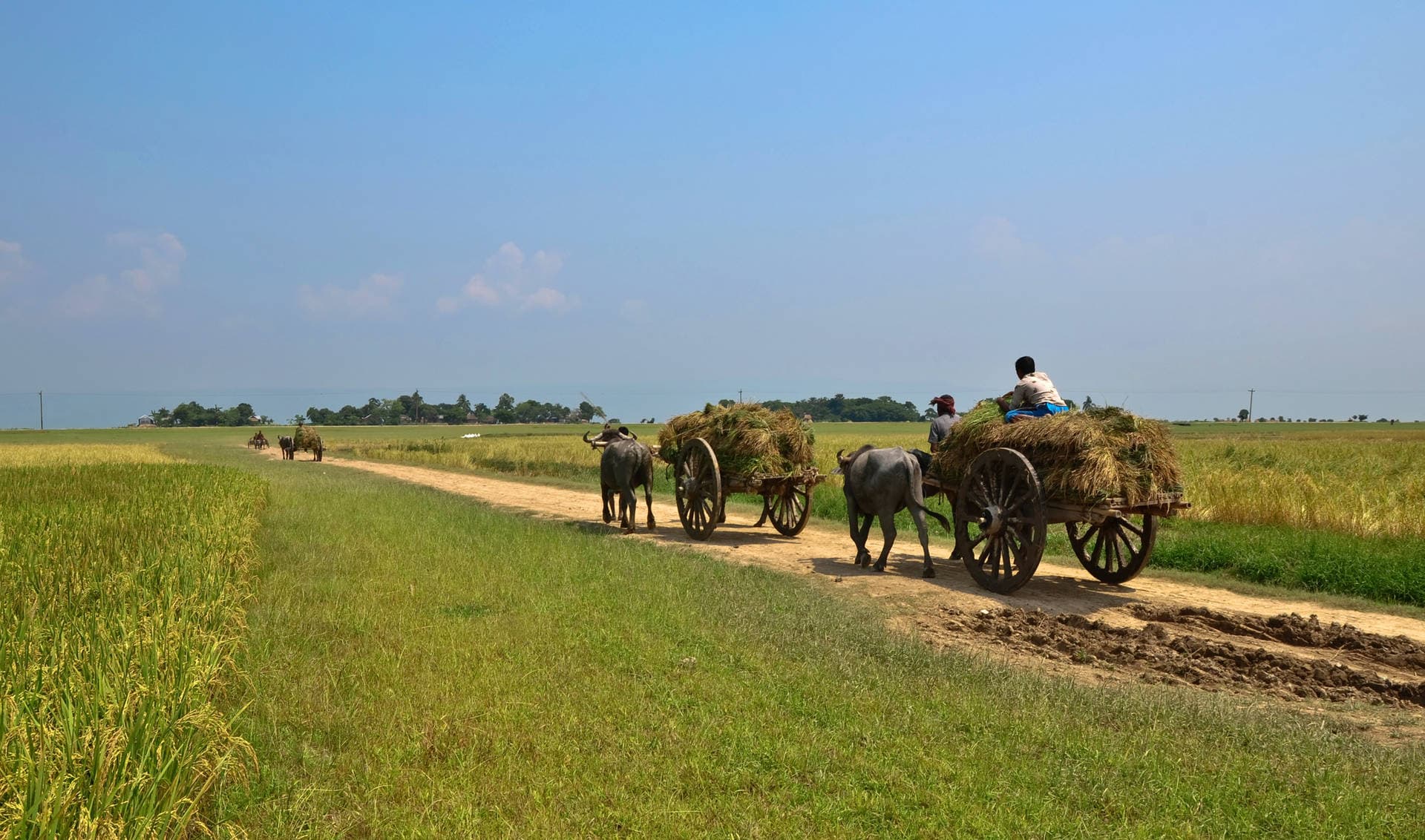
LPG prices in Bangladesh have risen due to a shortage in gas supply, affecting households and businesses.
LPG prices rise amid gas supply shortage
The recent surge in Liquefied Petroleum Gas (LPG) prices in Bangladesh has sent shockwaves throughout the country, affecting both households and businesses. This increase is largely attributed to a shortage in gas supply, which has been a recurring issue in the country. In this article, we will delve into the background of the issue, the key details surrounding the price hike, and the impact it has on the economy.
Background
Bangladesh has been struggling with a gas supply shortage for several years. The country's gas reserve has been depleting at an alarming rate, and the government has been unable to meet the increasing demand for gas. This has led to a reliance on imported LPG to meet the shortfall. However, the import cost of LPG has been rising due to global market fluctuations, which has resulted in a significant increase in the prices of LPG in the local market.
Key Details
According to recent reports, LPG prices in Bangladesh have risen by approximately 10% in the past month alone. This increase is expected to continue in the coming months, as the gas supply shortage persists. The government has been trying to address the issue by increasing the gas production from local fields, but the efforts have been hindered by various technical issues. Meanwhile, the LPG industry has been lobbying for an increase in the import quota to meet the growing demand for LPG.
The private sector has been playing a significant role in the LPG market in Bangladesh, with several companies operating in the sector. However, the regulatory framework governing the industry has been criticized for being inadequate, leading to a lack of transparency and accountability. The government has been working to address these issues, but the progress has been slow.
Impact
The increase in LPG prices has had a significant impact on the economy, particularly on households and small businesses. Many households rely on LPG for cooking, and the price hike has resulted in a significant increase in their monthly expenses. Small businesses, such as restaurants and food carts, have also been affected, as they rely heavily on LPG for their operations. The increase in LPG prices has resulted in a reduction in profits for these businesses, making it difficult for them to sustain themselves.
The inflation rate in Bangladesh has also been affected by the increase in LPG prices. The consumer price index has risen significantly in recent months, and the LPG price hike has been a major contributor to this increase. The government has been working to control inflation, but the monetary policy has been criticized for being ineffective.
Conclusion
In conclusion, the recent surge in LPG prices in Bangladesh is a symptom of a larger issue - the gas supply shortage. The government needs to address this issue urgently, by increasing the gas production from local fields and improving the regulatory framework governing the LPG industry. The private sector also needs to play a more significant role in addressing the issue, by investing in gas exploration and production. Until then, households and businesses will continue to suffer from the effects of the LPG price hike.
Source: Prothom Alo